

Hear from Dr. Salma Sabour
No steward should have to confront the climate crisis alone, and no community should have to begin from scratch. By connecting the knowledge, experience, and creativity of people working across places and traditions, the Heritage Adapts! campaign and Community of Action will help each steward move further and faster—from concern to confidence, ideas to plans, and plans to action.
One place, Global Resonance
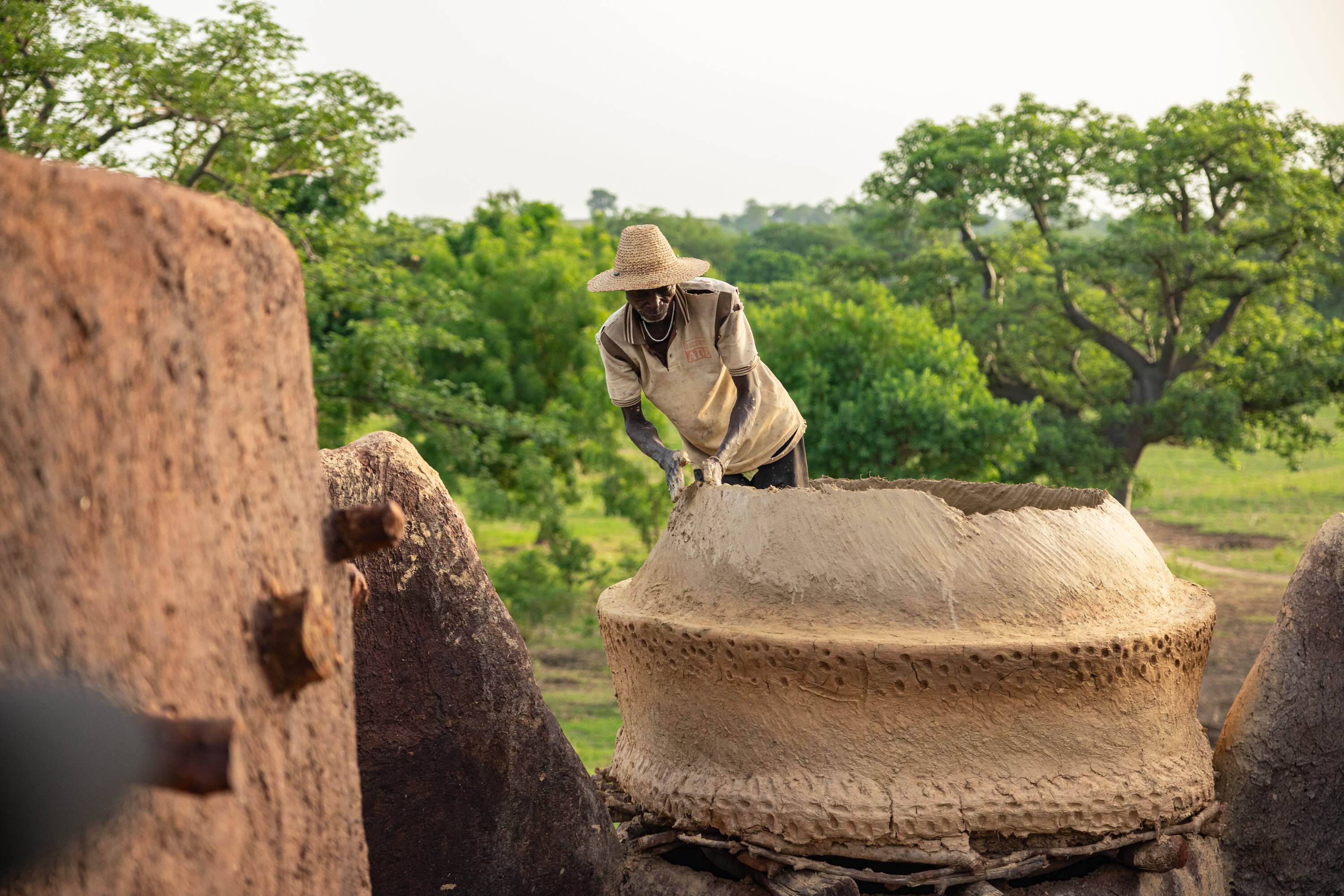
To feel the earth in Koutammakou is to feel the texture of a thousand histories. Across this parched landscape stretching across borderlands of Togo and Benin, the Batammariba, “those who shape the earth,” sculpt culture from the land itself. Each grain of soil carries the memory of hands pressing life into clay, transforming red, dry dust into the strong earthen walls of the sikien, the iconic tower-houses that anchor life in this borderland.

Their round granaries protect harvests from heavy rains, while their cool, dark interiors offer refuge from the blistering sun. They are also the heartbeat of community, sheltering families from their first breaths of life through their final moments.
In 2004, UNESCO inscribed Koutammakou on the World Heritage List, recognizing it as a living cultural landscape of outstanding universal value and the shared inheritance of humanity. But this inheritance is at risk.
More extreme rainfall and longer dry periods are disrupting traditional building cycles, damaging sikien, and endangering the future of Koutammakou. Climate change is now one of the fastest-growing threats to heritage around the world. Among World Heritage sites, one in three natural sites and one in six cultural sites are already threatened by climate change.
Fires, floods, droughts, rising seas, and shifting seasons affect not only the physical integrity of heritage places, but also the wellbeing of the communities whose lives, livelihoods, and identities are inseparable from them. Without action, we risk losing traditions, historic places, cultural practices, and knowledge systems that not only make us who we are, but that strengthen our resilience in times of change.
Our beginnings
Three years ago, a small but mighty team came together with one big mission — to equip all communities with the training, tools, and connections to equitably adapt their heritage places and practices from the impacts of climate change. This was the start of Preserving Legacies.
.jpeg)
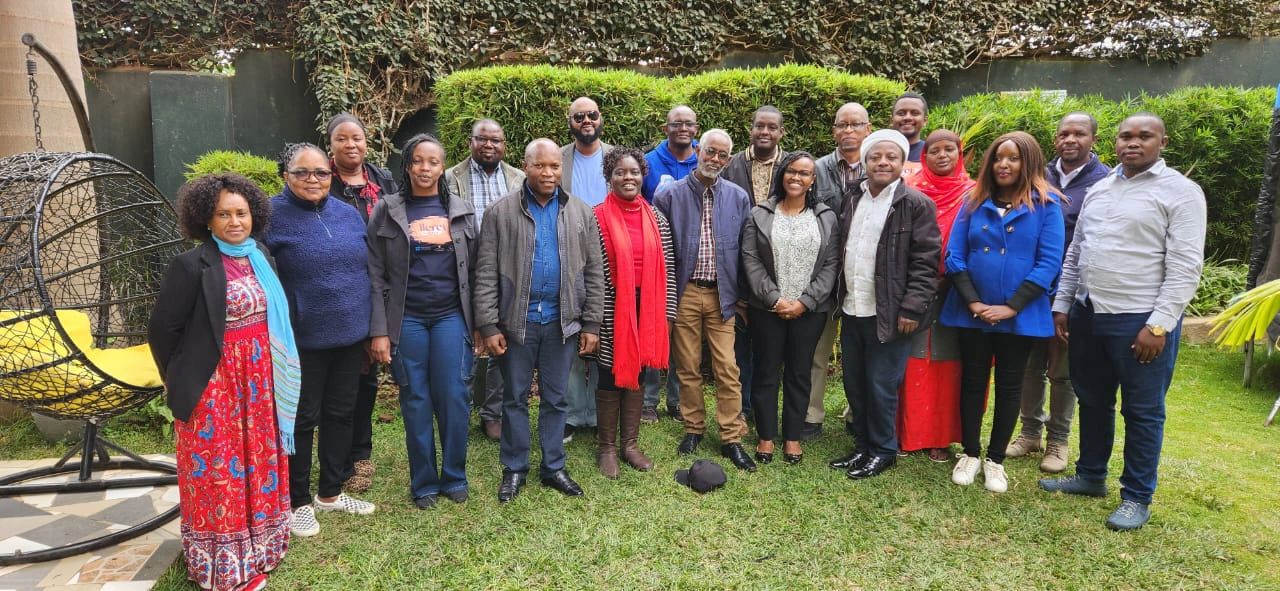
In partnership with the National Geographic Society, the cultural custodians who care for Koutammakou, and local leaders from nine other heritage places around the world, we launched our global cohort program dedicated to safeguarding humanity’s rich diversity of heritage places and practices by advancing climate adaptation solutions.
Each year since our founding, Preserving Legacies has welcomed 10 new sites into our three-stage climate adaptation cohort program. Today, we work with more than 30 heritage places and practices around the world. From the sacred halls of Angkor Wat in Cambodia to the flooded structures of Cartagena, Preserving Legacies sites are demonstrating that a more just and resilient future is possible.
But 30 places are not enough to meet the scale and speed of the climate crisis. We need to reach 3,000 heritage sites and cultural practices before it’s too late.
Introducing Heritage Adapts!
That is why we are launching Heritage Adapts!, a global campaign and Community of Action to unite and support heritage stewards everywhere to take adaptation action.
In collaboration with a coalition of over 100 founding stewards and organizations, the Heritage Adapts! 3000 by 2030 campaign invites stewards of heritage sites and cultural practices around the world to pledge to implement a locally led adaptation action by 2030. Each action may begin in one place, with one community, across one landscape, but together they create a global movement for a more resilient and culturally diverse future.
The Community of Action provides a free global home for that work: a digital space where stewards can access practical training, step-by-step guidance, climate data tools, and resources to help them understand climate risks, engage their communities, and design meaningful responses. And with interactive, multilingual discussion boards and events, it’s also a place to ask questions, share lessons, find encouragement, and learn from peers who are facing similar challenges in very different parts of the world.
No steward should have to confront the climate crisis alone, and no community should have to begin from scratch. By connecting the knowledge, experience, and creativity of people working across places and traditions, the Community of Action will help each steward move further and faster, from concern to confidence, from ideas to plans, and from plans to action.
Heritage Adapts! is built on a simple belief: when people are given the tools, relationships, and support to act, they can protect not only the places and practices they love, but also the knowledge, identity, and resilience those legacies carry into the future.

Shape your future
In Koutammakou, the Batammariba have long shown what it means to shape the earth with knowledge, care, and purpose. Heritage Adapts! carries that spirit forward, inviting all of us to become shapers of the future: to protect the places that hold our histories, strengthen the communities that carry them, and ensure that the legacies we have inherited remain alive for generations yet to come.
Together, we can adapt our cultural legacies to the climate impacts that are already unavoidable, strengthen the resilience of communities, and inspire the action needed to prevent the worst damage yet to come. Join us. Take the pledge. Help us build a better future.
Learn more and join Heritage Adapts! at act.heritageadapts.org.


-80%20(2).jpg)
-880.jpg)

%20(Blog%20Banner).jpg)
-340.jpg)
-15%20(1)%20Large.jpeg)
-380.jpg)
![[Media Statement] COP30 makes clear: culture and heritage are central to climate adaptation planning, policy and finance](https://cdn.prod.website-files.com/64405ecf1f787733599fccda/691f89944dfb5c6709af8027_IMG_4862%20(1).jpeg)

-397.jpeg)
.jpeg)
-25.jpeg)
-64%20(2).jpg)
-131.jpeg)


-286.jpg)


%20(Blog%20Banner).jpg)


-323.jpg)
-31.jpg)