A Living Heritage
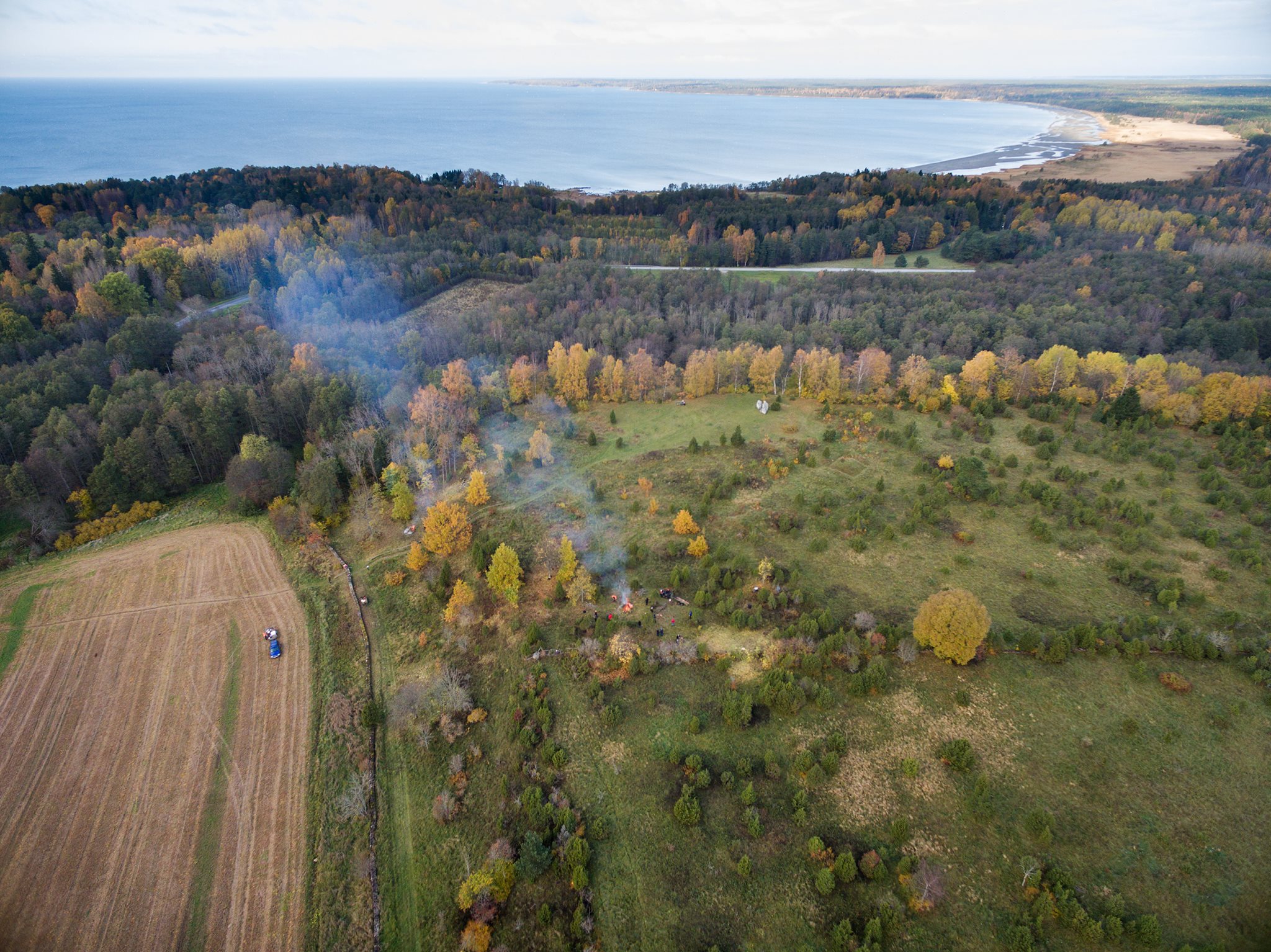
Estonia's oldest national park, Lahemaa is a living cultural landscape where people and nature have coexisted for centuries along the Baltic Sea coastline. The park brings together extensive forests, wetlands, rivers, bogs, and a long coastline of bays, peninsulas, and small islands, making it an outstanding example of a Northern European coastal cultural landscape. Its well-preserved historical villages, manor ensembles, and traditional fishing settlements reflect centuries of interaction between people and nature, with traditional livelihoods such as small-scale farming, fishing, forestry, beekeeping, and foraging remaining part of everyday life. Local communities play a central role in safeguarding this heritage through village societies, NGOs, and the Lahemaa National Park Cooperation Council, maintaining historic buildings, passing on place-based knowledge, and participating in protected area governance.
A Changing Climate
Lahemaa is already experiencing the effects of a changing climate, driven largely by shifting weather patterns and changes in the Baltic Sea. More frequent and intense storms are causing coastal erosion, damaging coastal forests, and flooding low-lying shore areas, while sea level rise combined with storm surges increases these risks further. Winters are milder with less stable snow and ice cover, directly affecting forestry practices as well as wooden buildings and settlement structures. Summers are warmer and drier, putting pressure on delicate alvar areas and coastal meadows, while heavier and more irregular rainfall leads to flooding and erosion along rivers and wetlands.
A Path Forward
Lahemaa National Park has already put some adaptation measures in place, including coastal building restriction zones that reduce exposure to flooding and erosion, and restoration of natural hydrological regimes in former peat extraction areas to improve water retention and ecosystem resilience. Joining the Preserving Legacies 2026 Cohort will help the park systematically assess climate hazards, identify further adaptation measures, and connect local community knowledge, built through generations of observing weather patterns and ecological change, with wider climate heritage expertise and tools. For Lahemaa, preserving legacies means ensuring that its villages remain lived-in, its heritage remains relevant, and its relationship with the land remains resilient for future generations.