Palestine: Land of Olives and Vines – Cultural Landscape of Southern Jerusalem – Battir

A Living Heritage
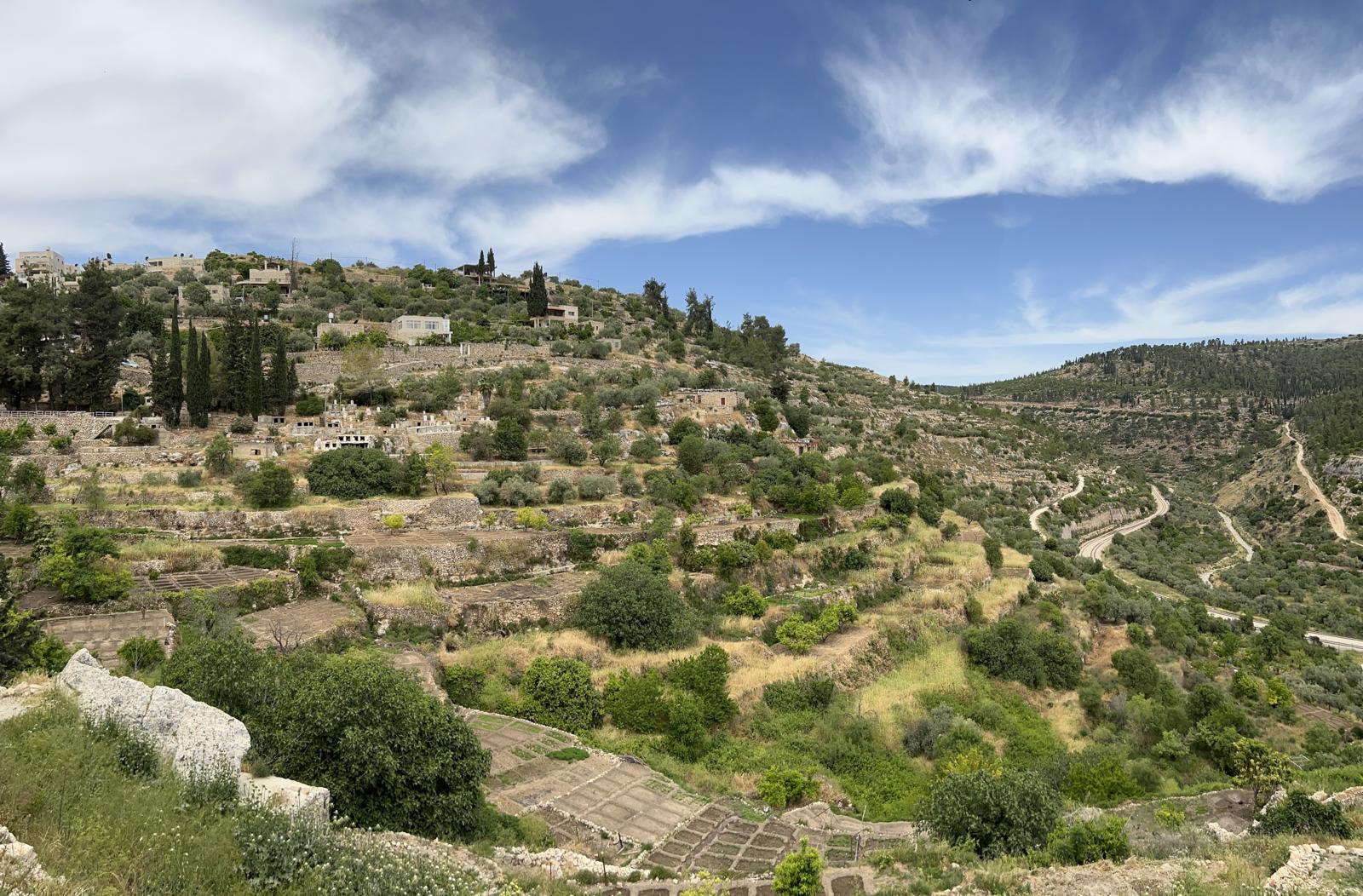
Nourished by natural springs, Battir has long been the vegetable garden of Jerusalem. A cultural landscape in Palestine with an agricultural system in continuous use for 4,000 years, its springs gave rise to an intricate irrigation system managed by eight local families, feeding dry-stone terraces where olives, grapes, and vegetables have been cultivated across generations. The village of Battir, inhabited by farmers who worked and still work the land, attests to the sustainability of this system and its continuation to the present day. This unique combination of natural springs, traditional footpaths, and historic stone watchtowers represents a continuous bond between the community and their land, recognized through its inscription as a UNESCO World Heritage Site.
A Changing Climate
Battir faces a growing and, for many in the community, still partially hidden threat. Extreme summer heat and prolonged drought are threatening the natural springs and groundwater recharge that the entire irrigation system depends on, with direct consequences for crop productivity and local food security. At the same time, intense short-duration rainfall events are increasing the risk of soil erosion, collapse of dry-stone walls, and washouts of traditional water channels, placing both the physical landscape and the practices that sustain it under pressure.
A Path Forward
Local farmers and custodians currently perform essential daily maintenance of the dry-stone walls and ancient water channels to mitigate soil erosion and ensure water flow. By joining the Preserving Legacies 2026 Cohort, Battir is moving beyond basic repairs to develop culturally appropriate strategies rooted in both climate science and indigenous knowledge, with the goal of empowering the local keepers of this heritage to transform these challenges into long-term resilience for future generations.