
These climate risk assessments for heritage places and practices around the world were produced by climate custodians using Preserving Legacies’ science-based, values-driven, community-led approach to help ensure that adaptation solutions based on these assessments are effective, sustainable, and culturally appropriate.

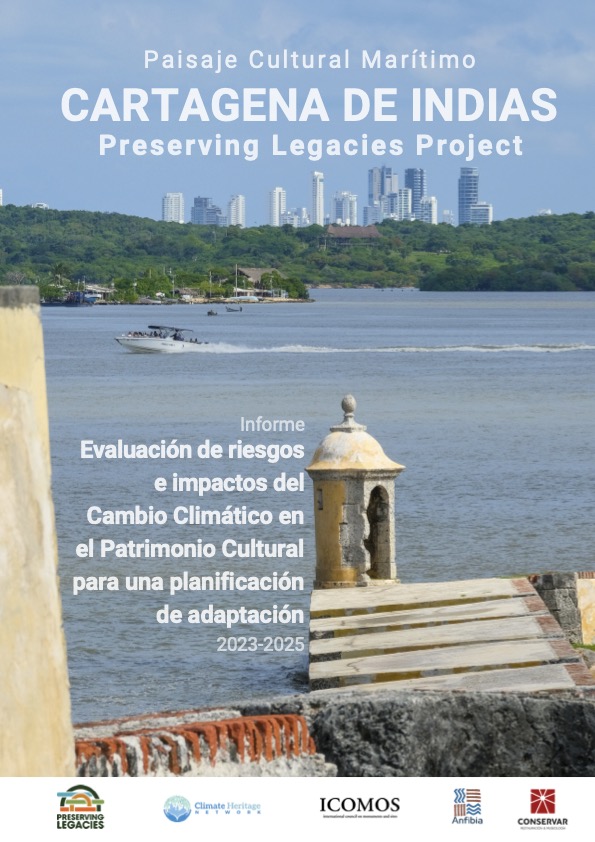
This locally led climate risk and adaptation assessment for the Maritime Cultural Landscape of Cartagena de Indias extended the geography of heritage at risk beyond its fortified World Heritage core to include community-valued places and practices, such as beaches, mangroves, coral reefs, underwater cultural heritage, maritime cultures and livelihoods, and Afro-descendant and Indigenous relationships with the sea. It found a maritime cultural landscape already under considerable climate risk with all but two of the 24 sites assessed experiencing medium or high impacts. Heat waves, extreme rainfall, storm intensification, coastal flooding, and coastal erosion emerged as principal hazards, interacting differently with the exposure and vulnerability of each place. Bringing locally held values into the assessment alongside Outstanding Universal Value widened the evidence base and confronted an enduring inequality: who has the authority to define what matters, whose knowledge informs climate decisions, and which heritage receives protection first.


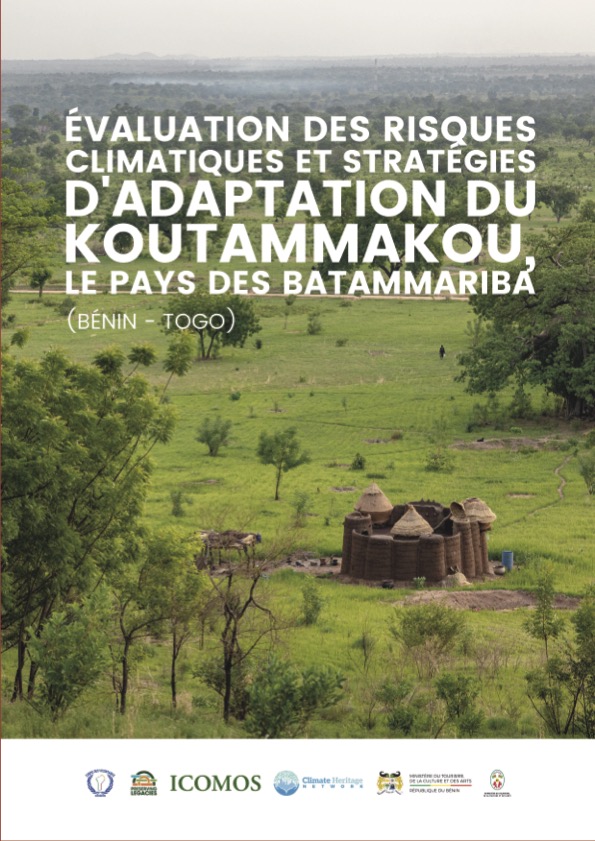
This locally led climate risk and adaptation assessment for Koutammakou, the Land of the Batammariba identifies six major climate hazards that are projected to intensify by 2080, assesses the four values prioritized by stakeholders — architectural, use, ecological, spiritual — to all be above the critical risk threshold, and proposes a biocultural resilience strategy for adaptation. Of note is its inclusive methodology that combined scientific data with a two-year long participatory process involving 277 local, institutional and international expert stakeholders.
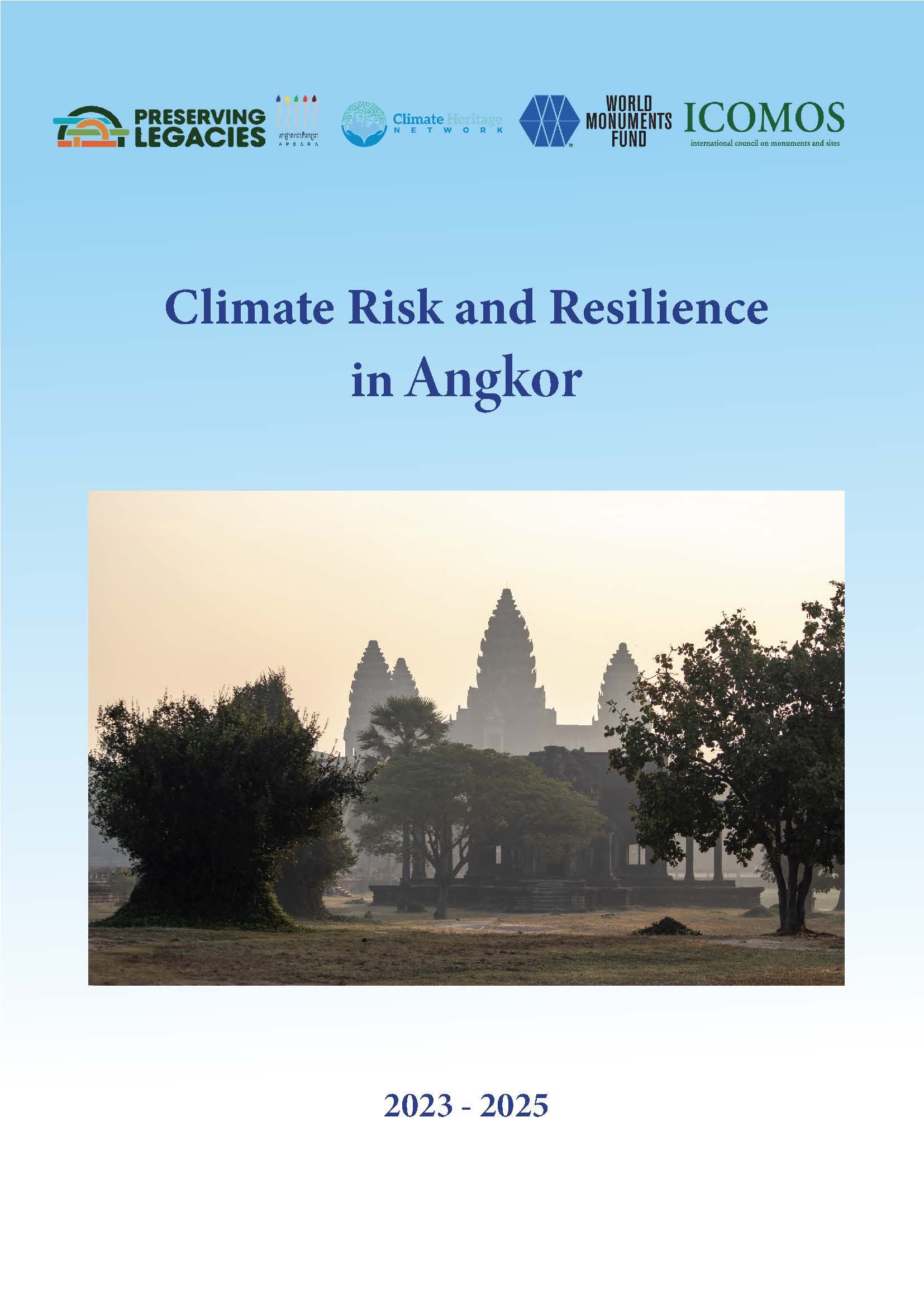
This first-ever locally led climate risk assessment for Angkor takes a values-based, community-led approach, recognizing the site as a living cultural landscape where heritage, nature, and local communities are closely interconnected. Driven by site custodians from the APSARA National Authority, the report draws on both scientific climate projections and community consultation to project a future in 2060 that is markedly warmer and wetter. Hazards like erratic rainfall and rising temperatures pose heightened risk to its UNESCO inscribed values, as well as new values uncovered through this engagement process, including natural, economic, and community health. Fortunately, existing conservation, water management, and protection by forests with two million replanted trees buffer these risks, resulting in an overall moderate level of risk.

This climate vulnerability assessment identifies intensifying climate change threats as well as climate adaptation solutions for Sceilg Mhichíl, one of two UNESCO World Heritage Properties in Ireland. Its isolation has contributed to the remarkable preservation of its cultural landscape, including the preserved early medieval monastic settlement and intact dry-stone architecture, and makes it an ideal habitat and vital location for breeding seabirds.

This assessment investigates the climate vulnerability of the Ifugao Rice Terraces in the Philippines, a UNESCO World Heritage cultural landscape. It brings together traditional ecological knowledge and scientific projections to evaluate how climate change is affecting the terraces’ structure, agricultural function, and surrounding communities.

Utilizing a comprehensive approach that combines scientific data with indigenous knowledge and local experience, this report assesses the climate risks facing Petra in relation to the values most important to its varied stakeholders and provides a foundation for implementing effective adaptation solutions. The assessment found that while Petra is projected to experience intensifying flash flood, drought, and sandstorm events, it faces a moderate level of risk, in no small part due to effective adaptation efforts already underway. While these efforts have bolstered the resilience of its heritage values, natural and agricultural values remain more vulnerable, underscoring the need for sustained, coordinated efforts to safeguard Petra’s diverse and interdependent attributes for future generations.