Historic Mosque City of Bagerhat
About the site
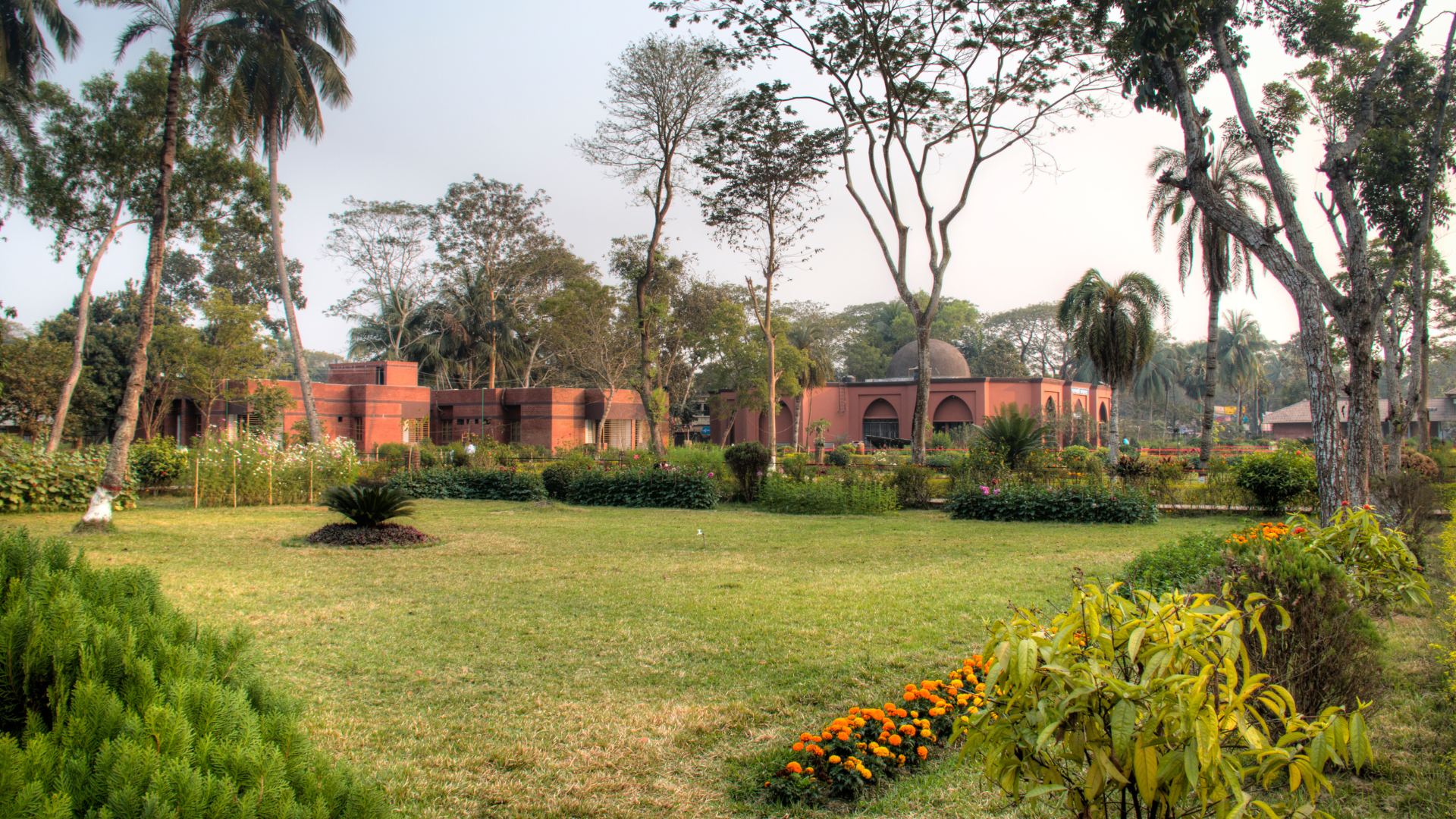
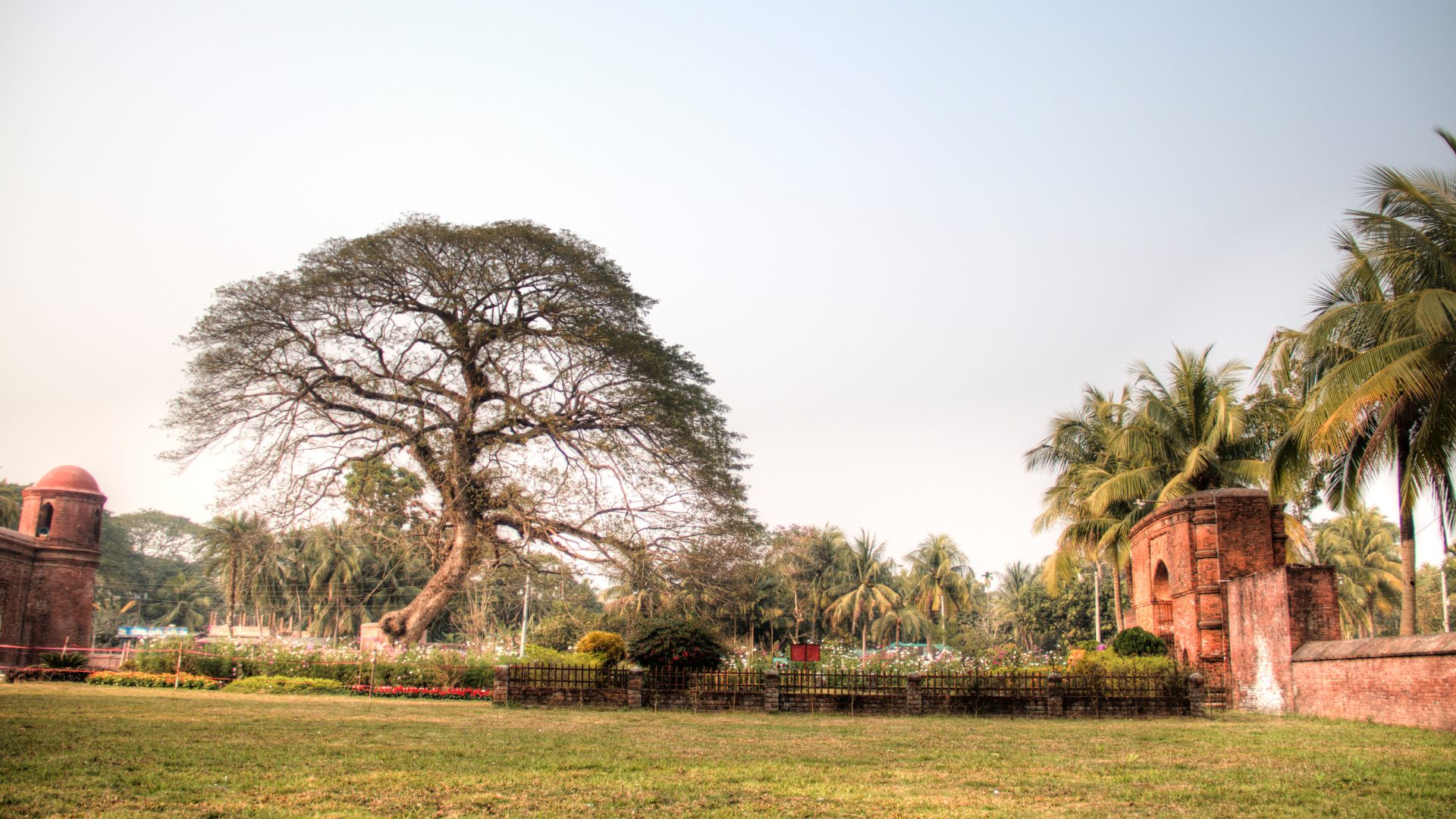
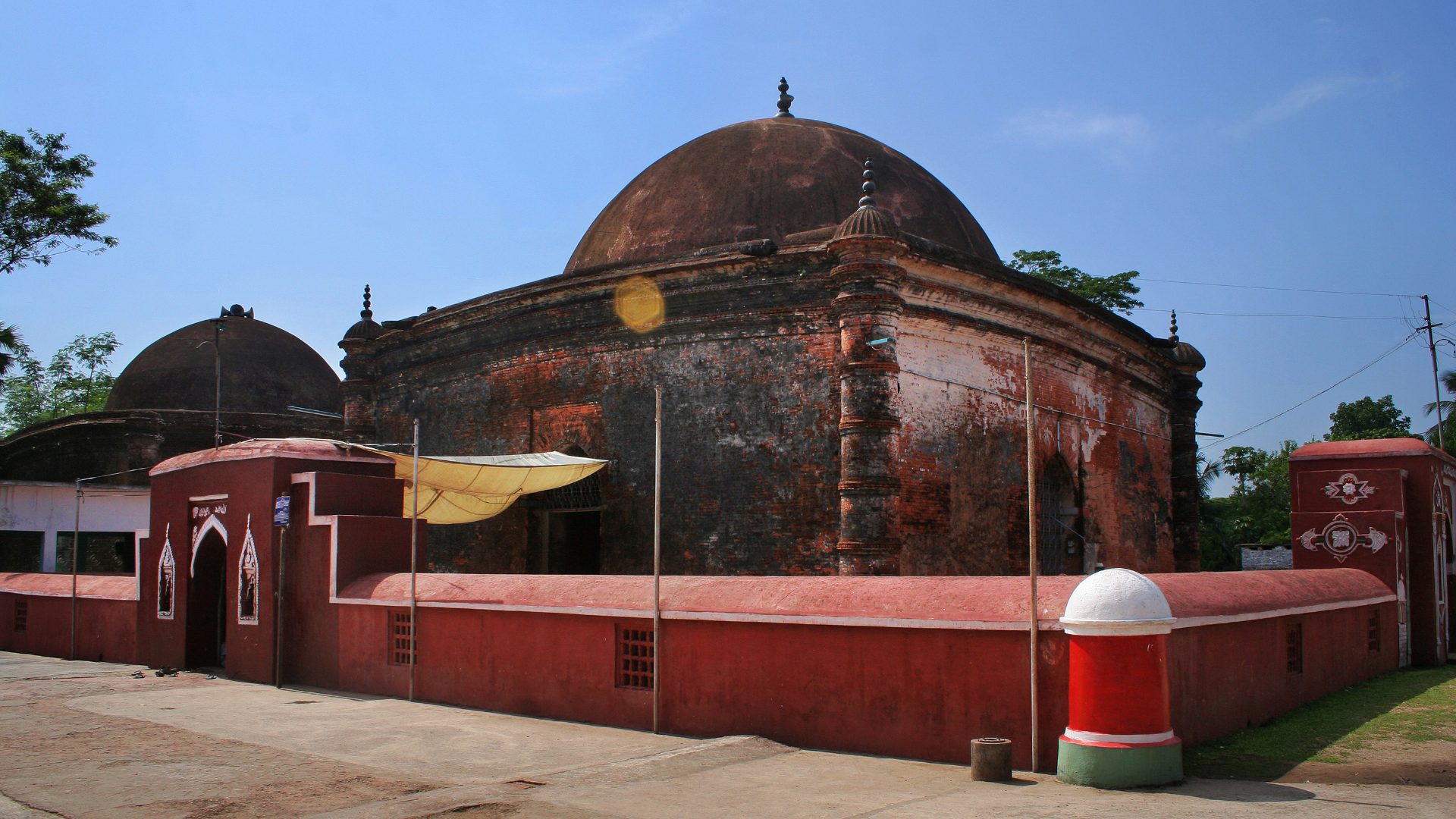
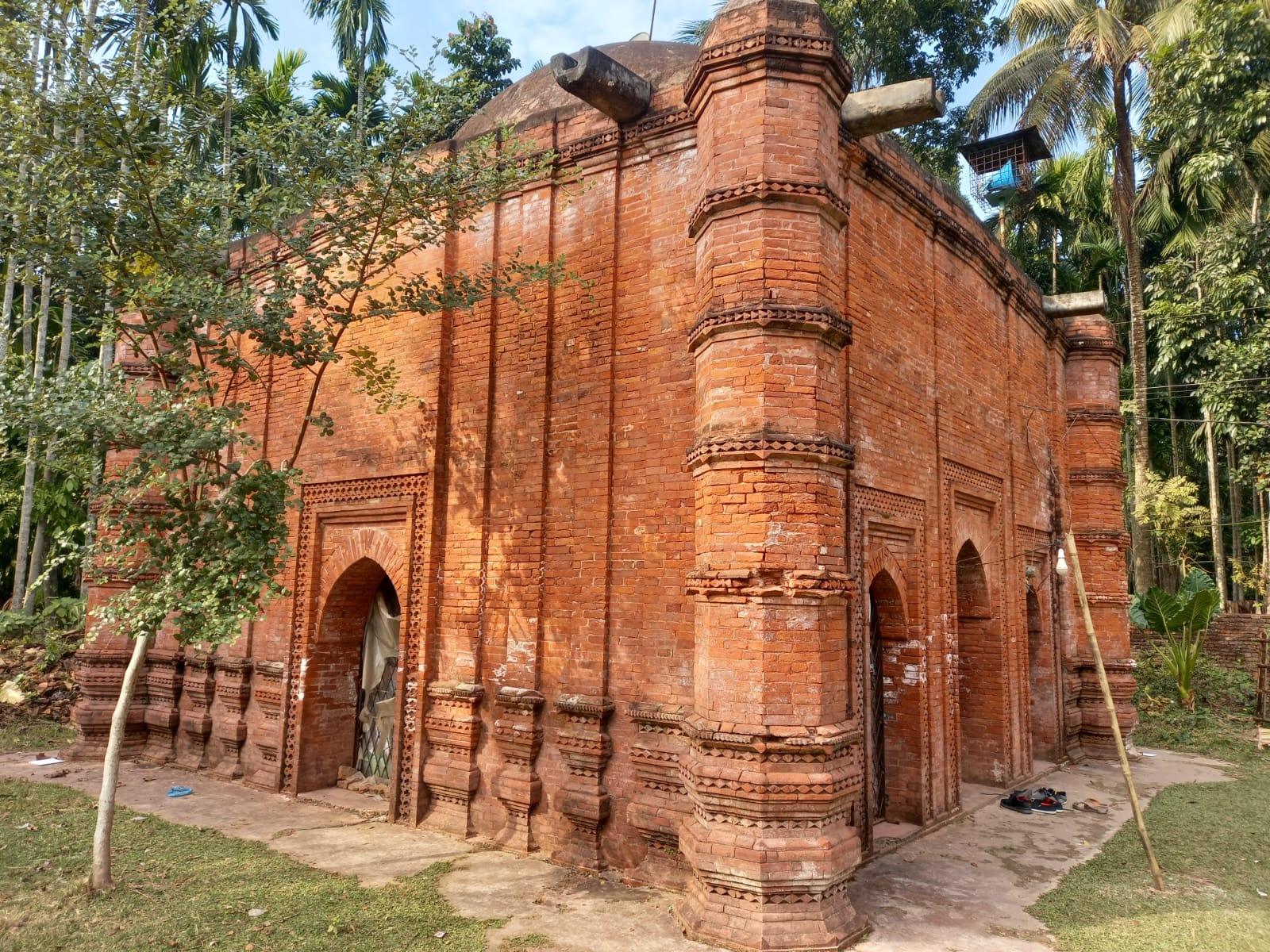
The Khalifatabad Mosque City of Bagerhat is located in the southwestern part of Bangladesh and holds great significance in Islamic architecture and spiritual culture.The city was founded in the 15th century by Khan Jahan Ali, a revered Muslim saint and ruler. The site consists of numerous mosques, tombs, mausoleums, and bridges that display unique architectural styles as well as complex water supply and drainage systems, cisterns and reservoirs. Many of these buildings remain in use for both religious and non-religious purposes, preserving the traditional practices and promoting social and communal harmony. Bagerhat demonstrates a thorough historical knowledge of planning techniques and a strong desire for spatial organisation in a challenging environment, yet rising sea levels in the Bay of Bengal and increased precipitation are threatening to worsen the deterioration of these important structures.
Chapter title
Chapter title
Chapter title
Meet the people


See the place

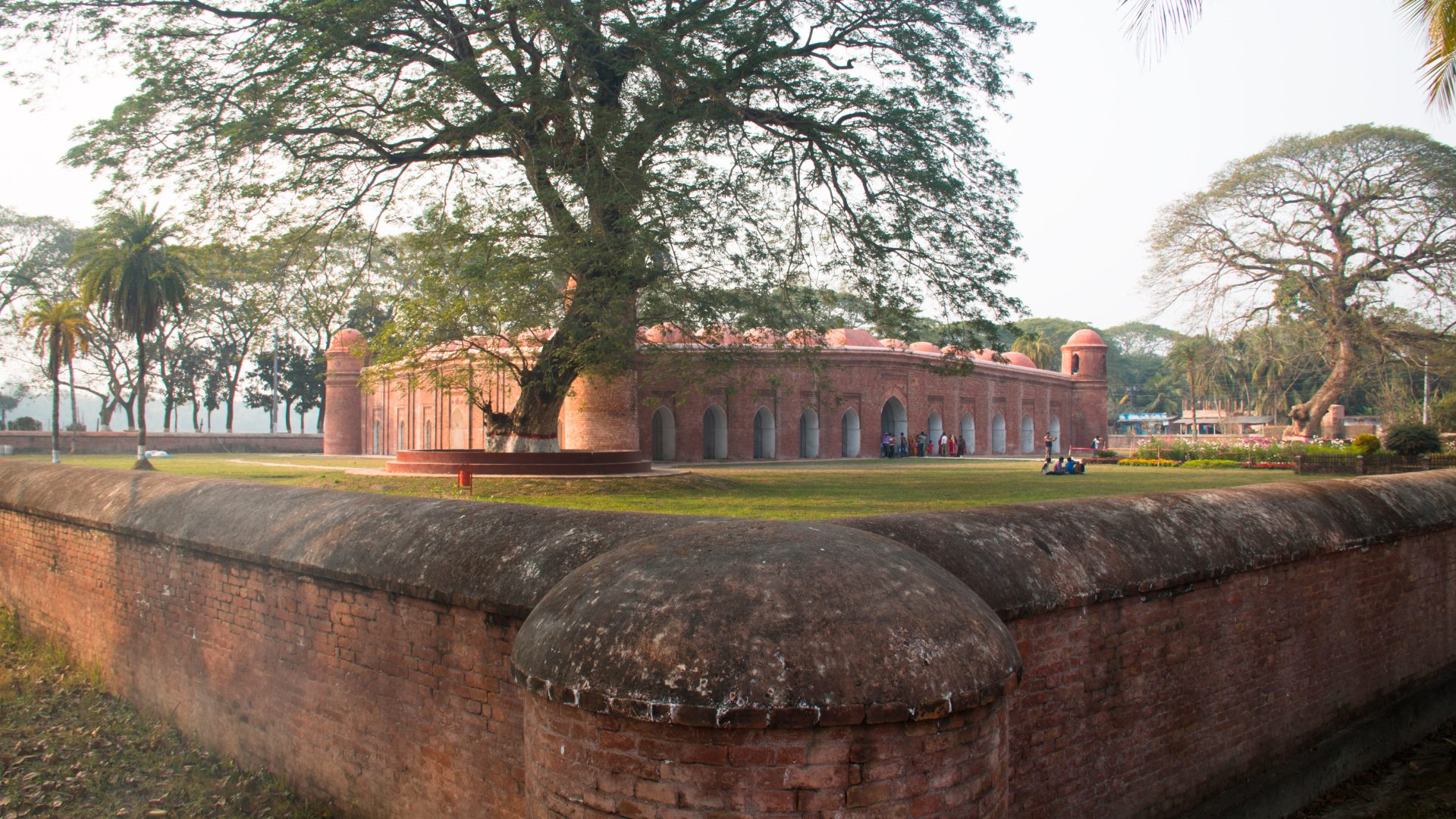
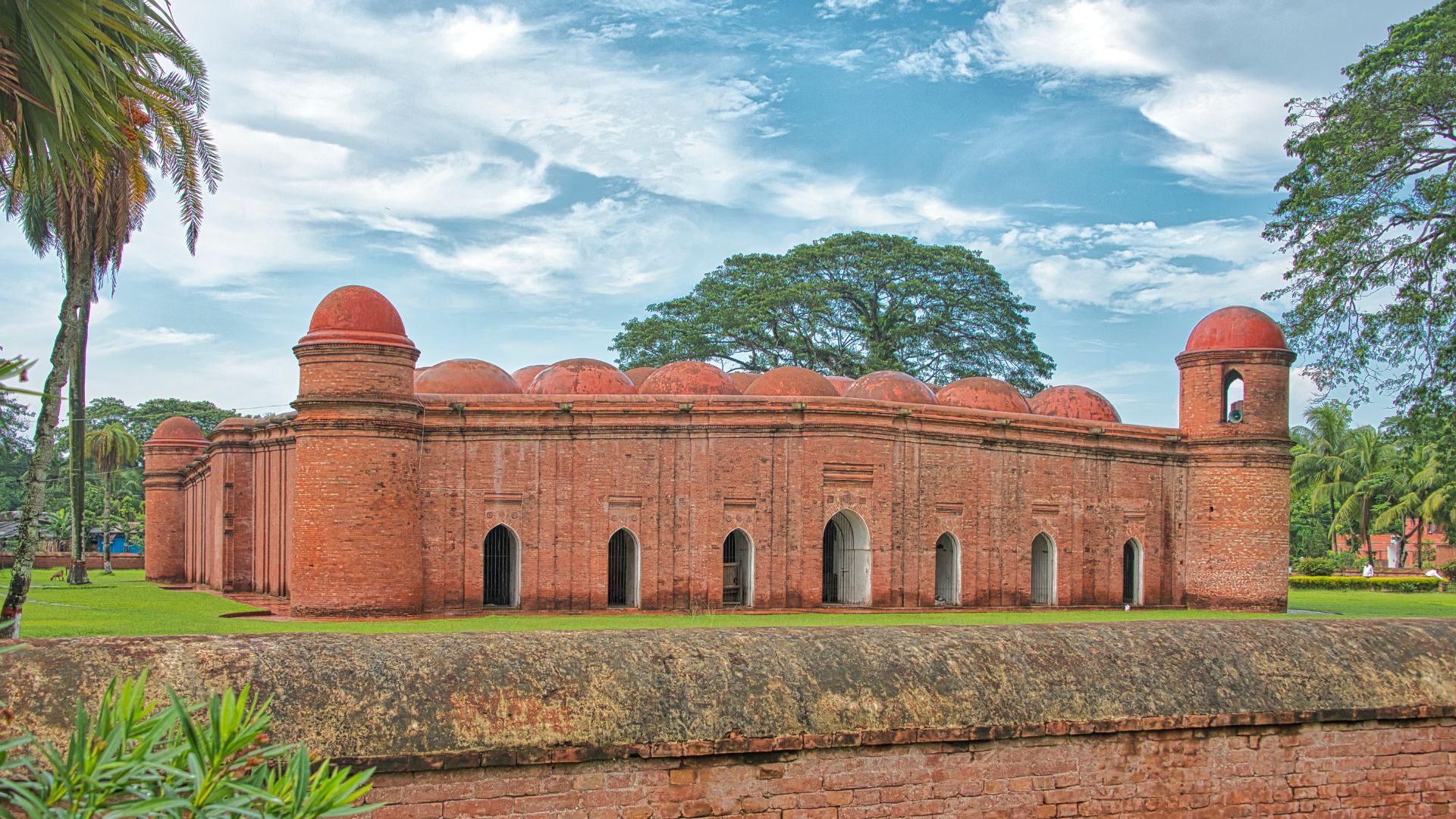
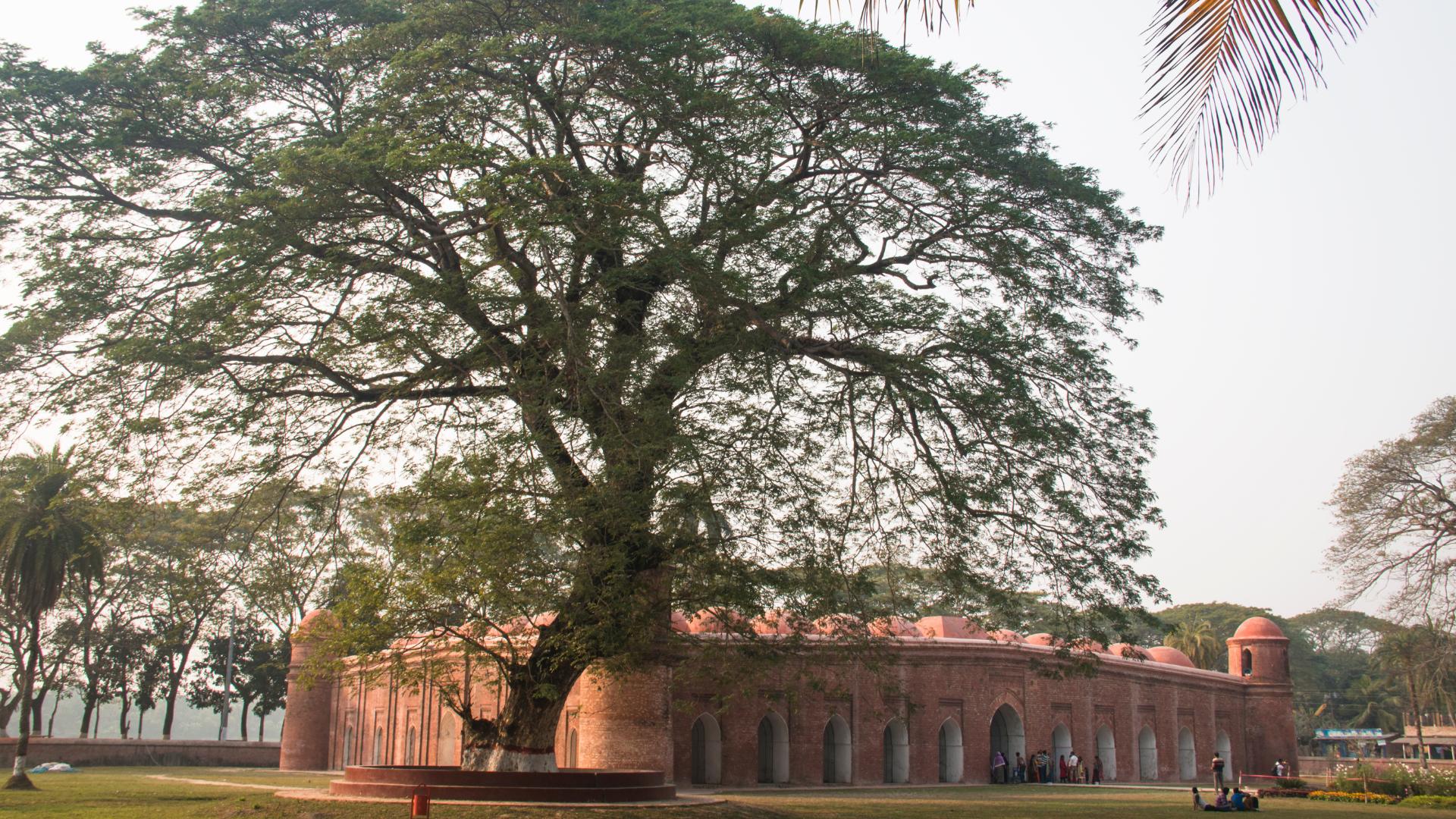
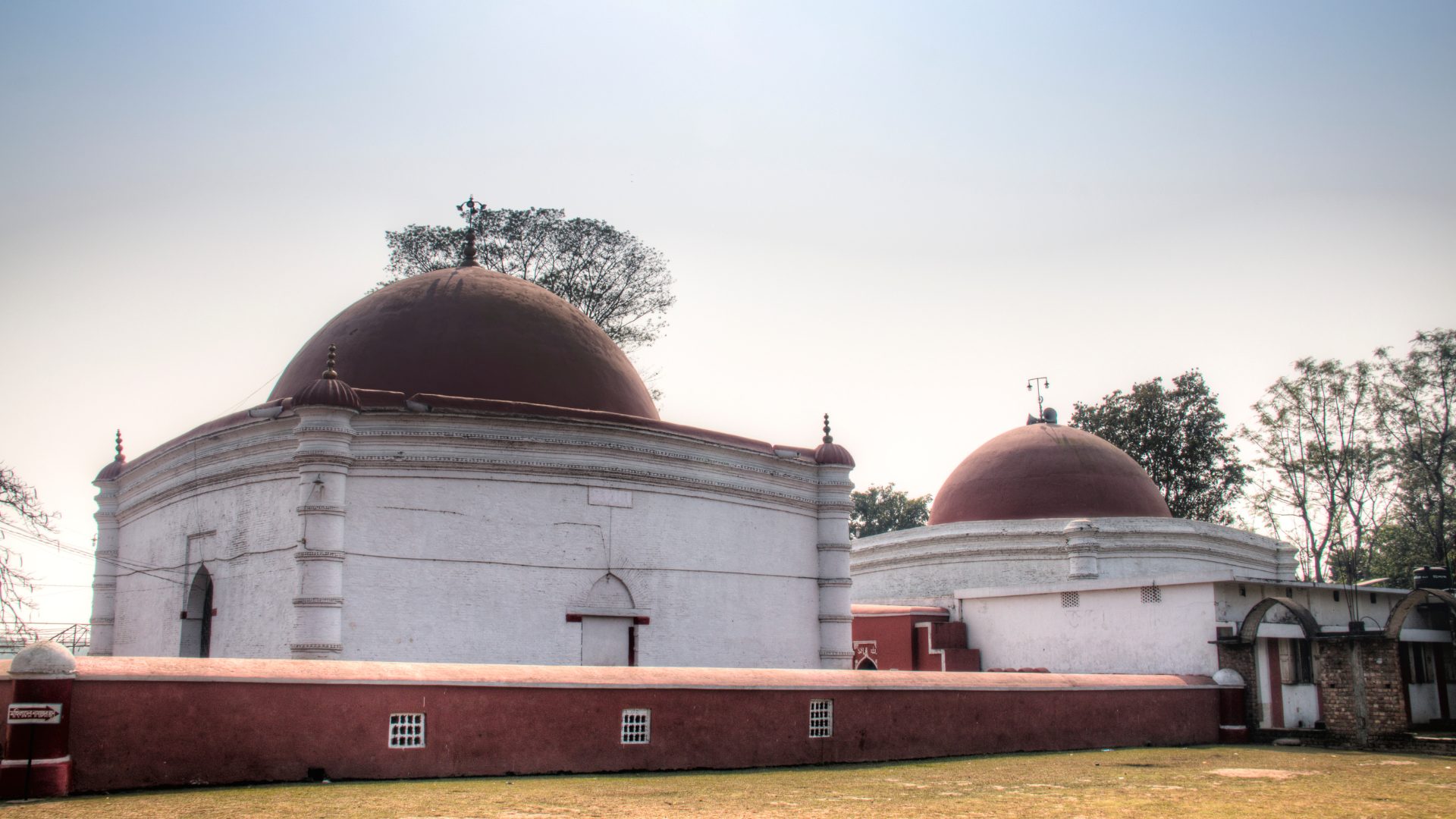


Climate Risk Assessment and Adaptation Planning For the Historic Mosque City of Bagerhat
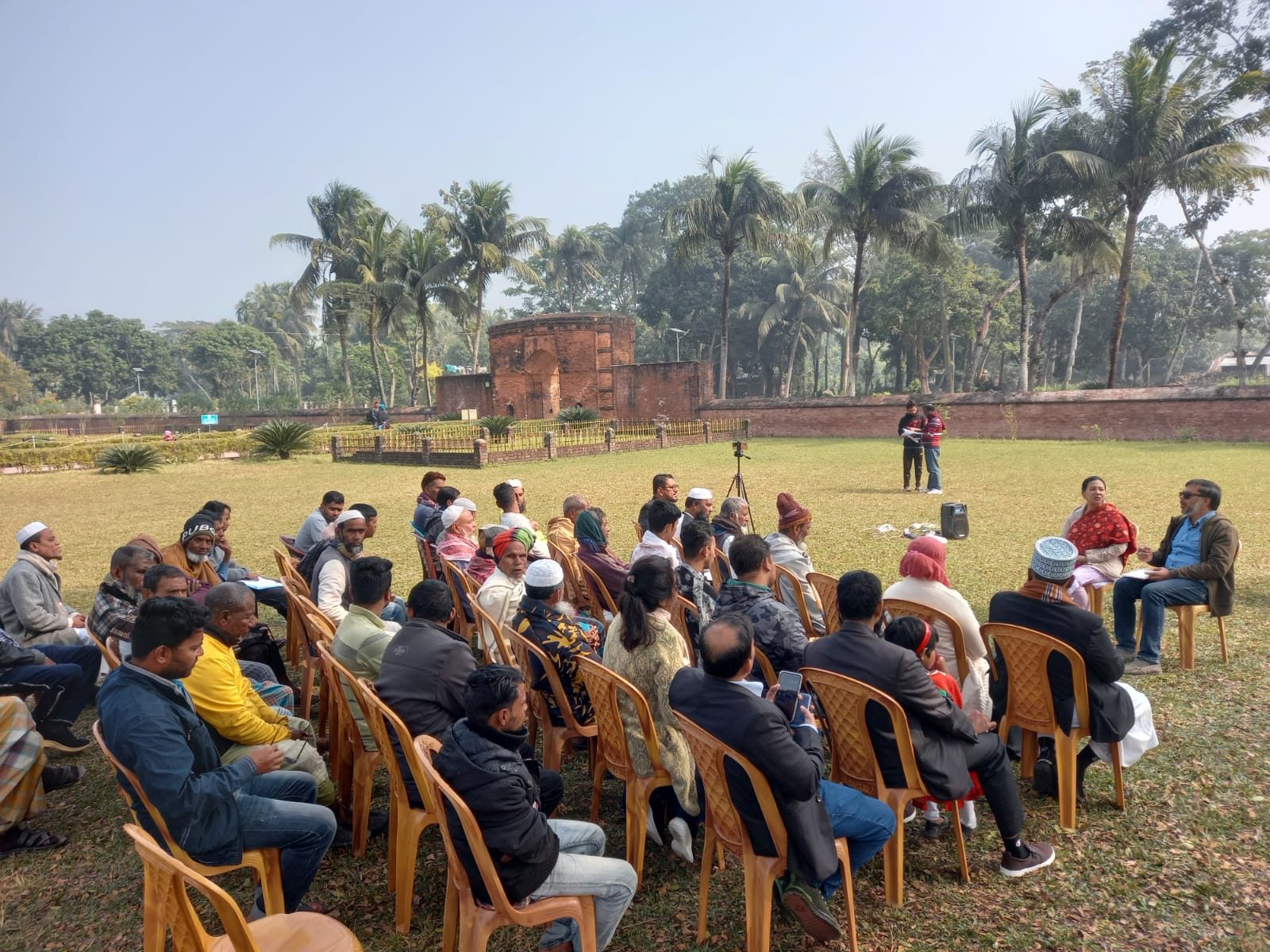
This locally led climate risk and adaptation assessment for the Historic Mosque City of Bagerhat establishes what people value, identifies the attributes that sustain those values, examines how climate hazards interact with exposure, vulnerability and responses, and connects the findings to proposed action. It focuses on six monuments and brings the property’s Outstanding Universal Value into conversation with locally held religious, social, economic and environmental values. It reveals that salinity affects, and is projected to increasingly affect, all six monuments, while flooding, heat, and other hazards have, and are projected to have, different consequences at each site. The findings inform site-specific proposals for structural safety, drainage, compatible materials, water-system restoration, and community preparedness, which will be further assessed and a plan implemented.